 HIFU Treatment
Non-Surgical Aesthetics
HIFU Treatment
Non-Surgical Aesthetics
HIFU Treatment
Non-Surgical Aesthetics
HIFU Treatment
Non-Surgical Aesthetics
A smarter approach to younger, firmer skin. Real results through advanced ultrasound technology, without surgery, needles or downtime.
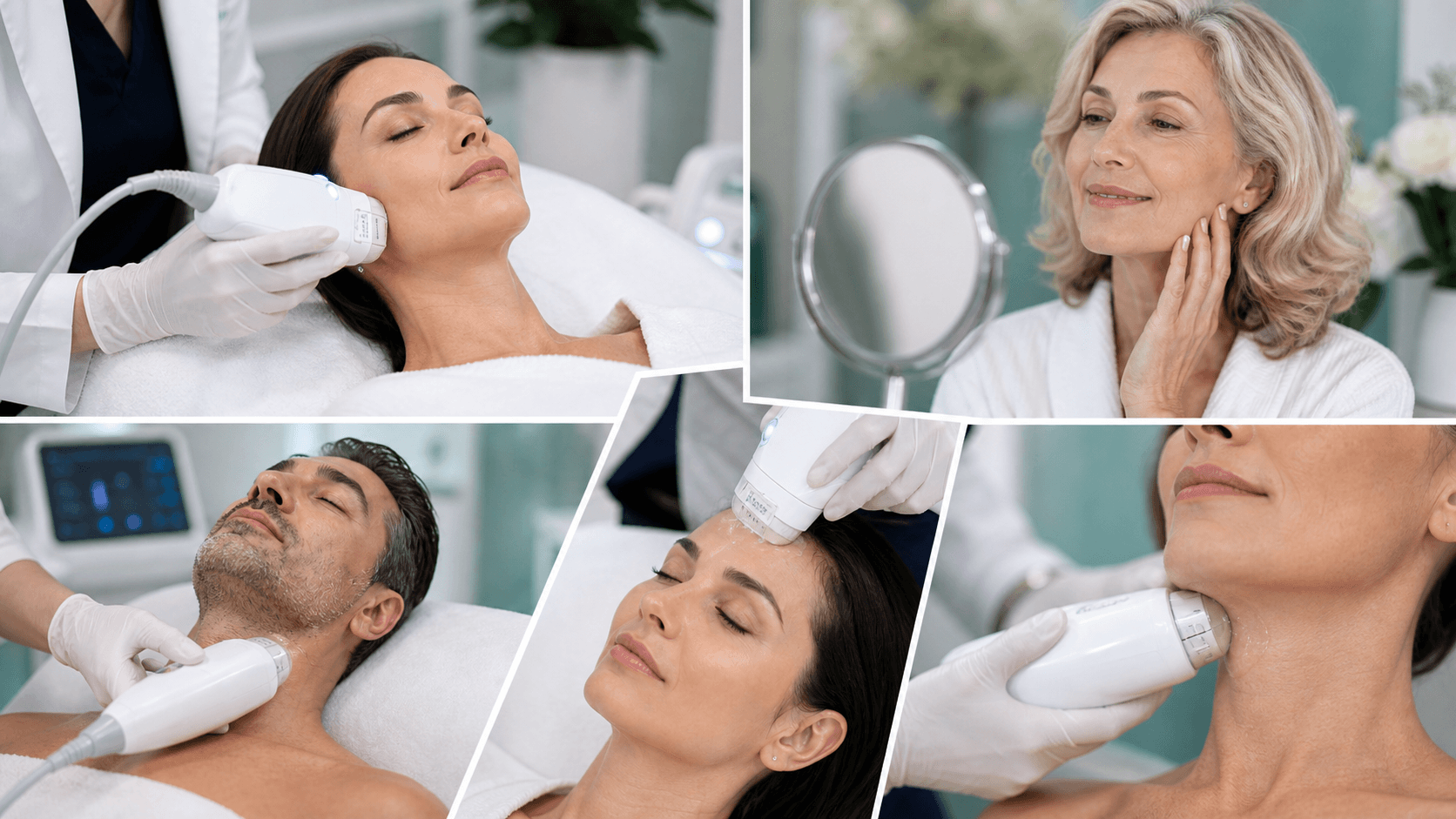
At some point, something shifts. The jawline may not be as defined as it once was. Perhaps the neck has begun to lose its firmness, or the lines across the forehead have settled a little deeper than expected.
It happens to everyone. While ageing is a natural part of life, the way we approach it has changed considerably over the past decade. There are now options available that sit comfortably between doing nothing and doing something extreme.
HIFU has steadily grown to become one of the most respected interventions in non-surgical aesthetic medicine. Not because of elaborate marketing campaigns or endorsements, but simply because it works. It tightens skin, lifts sagging tissue and kickstarts the body's own natural collagen production, all without stitching, numbing or a single night of recovery.
Many people want real, visible results. They simply prefer to avoid the potential complications, the downtime, and the unnatural outcomes that can sometimes accompany surgical procedures. That is exactly where HIFU treatment sits. It fills the space between accepting things as they are and choosing something dramatic, and it does so very well.
This page covers everything worth knowing. What the treatment involves, what areas it can address, who it is suited for, and how it compares to alternative treatments. There is also an honest look at what to realistically expect from results. No jargon. No exaggerated claims. Just clear, straightforward information to help guide a considered decision.
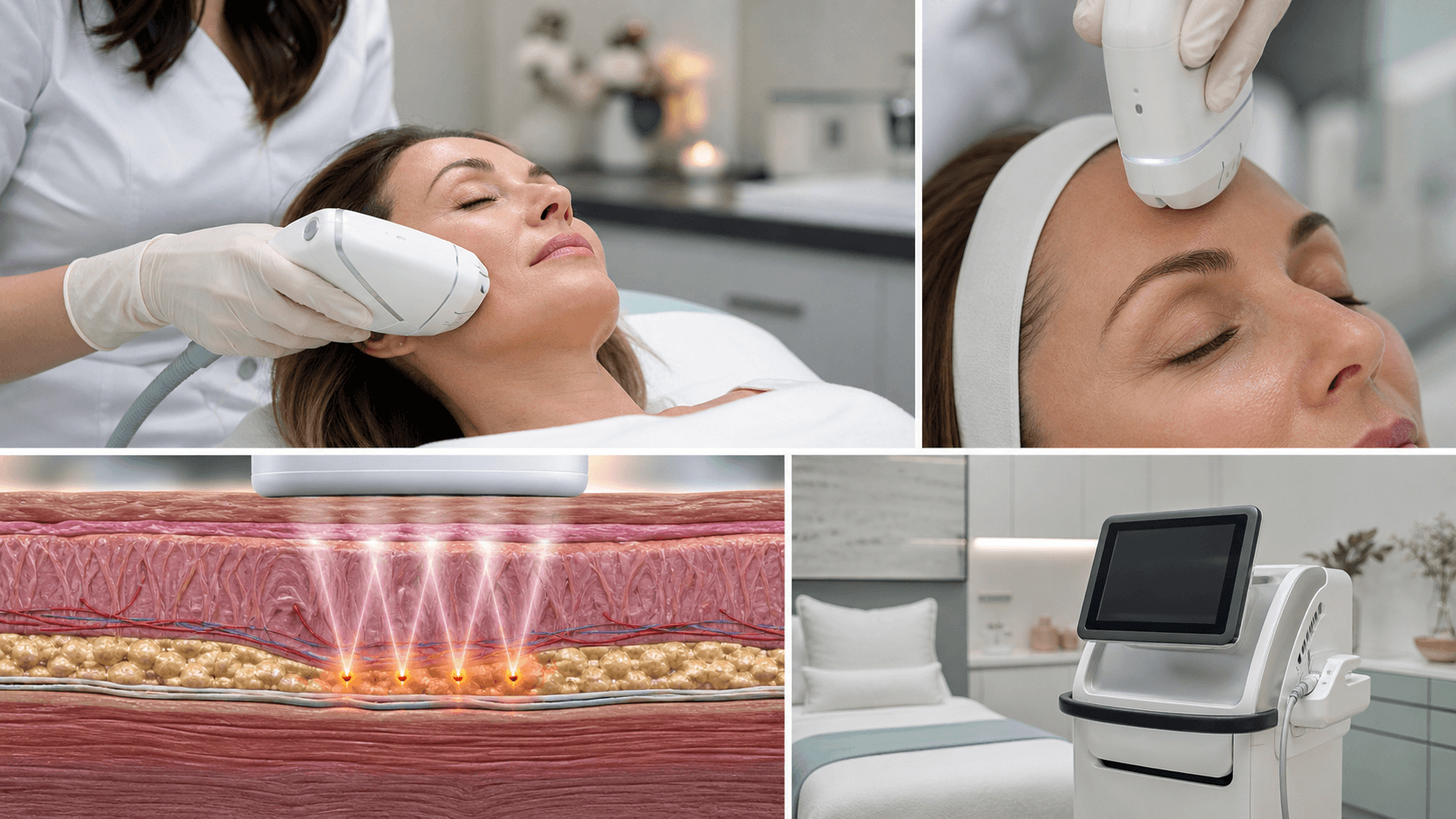
High-intensity focused ultrasound is a non-surgical cosmetic procedure that delivers focused ultrasound energy to the deeper structural layers of the skin, the very same layers a surgeon would target during a traditional surgical facelift.
The skin is not a single flat sheet. It consists of distinct layers, each with a different function. The outermost layer, the epidermis, is what you see in the mirror. Beneath that lies the dermis, a much thicker layer filled with collagen and elastin fibres. These are the proteins that give skin its firmness and bounce. Deeper still, there is a layer known as the SMAS, which stands for superficial muscular aponeurotic system. This is the foundational layer that supports everything above it. During a facelift, surgeons tighten this SMAS layer. HIFU treatment achieves something remarkably similar, but from the outside.
Using focused ultrasound energy, the treatment targets precisely controlled depths below the skin's surface. When that energy reaches its destination, it creates microscopic thermal coagulation points, essentially controlled micro-injuries, heating the tissue to approximately 60 to 70 degrees Celsius. This localised heat causes immediate contraction of existing collagen fibres, which is why many people notice a slight tightening effect straight after treatment. The deeper, more lasting effects then emerge as those micro-injuries prompt the body to generate fresh collagen over the weeks and months that follow.
This unique ability to reach the SMAS layer without breaking the surface of the skin is what sets HIFU apart from every other non-surgical option. Lasers work on the surface. Radiofrequency treatments go a little deeper. But HIFU reaches that foundational support structure all the way down, which is why the lifting and tightening effects are often far more noticeable and longer-lasting than those offered by other treatments.
The energy bypasses the upper layers of skin without affecting them. There are no burns, no peeling, no redness lasting for days. The ultrasound energy is concentrated at select depths in much the same way a magnifying glass focuses sunlight onto a single point. Everything above and around the focal point remains entirely unaffected.
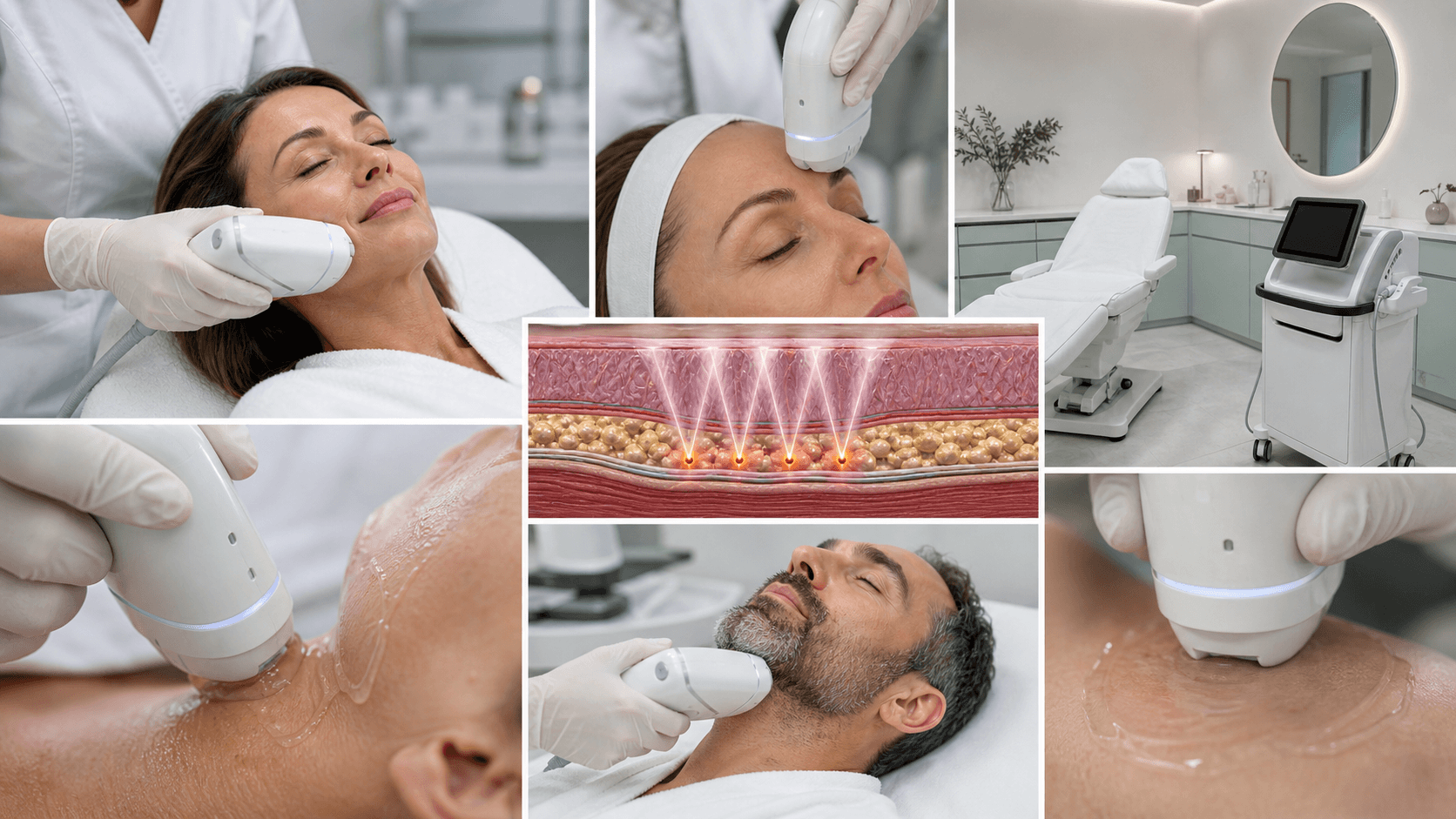
Understanding the process makes the results far less surprising when they appear. The science behind HIFU is well established and rooted in principles used across medicine for decades.
A handheld device is applied to the skin over the treatment area. It emits ultrasound waves, similar to those used in medical imaging and physiotherapy, only stronger and more precisely directed. The energy is focused into narrow beams that converge at a specific point deep beneath the skin's surface.
Depending on the desired outcome, practitioners can vary the depth of those focal points. Shallow settings are used to stimulate collagen in the dermis and refine skin texture. Deeper settings reach the SMAS layer, producing structural lifting and tightening. In many cases, multiple depths are treated within the same area to address both concerns simultaneously.
When the focused ultrasound reaches the target depth, it converts into heat energy. That heat causes two things to happen. First, existing collagen fibres contract. Collagen is a protein, and like all proteins, it denatures when exposed to heat, causing it to shrink. This direct contraction creates the subtle tightening some people notice on the day of treatment.
The second, and more significant effect, is that the controlled thermal injury triggers the body's natural healing response. The body recognises those tiny points of coagulation as areas that need repair. It dispatches fibroblasts, the cells responsible for producing collagen, to the treated zones. Over the following two to six months, those fibroblasts lay down fresh collagen and elastin, gradually rebuilding part of the skin's internal architecture.
This process is known as neocollagenesis. It is the same biological mechanism the body uses to heal cuts and grazes, only here it is directed specifically towards tightening and firming skin that has lost its resilience over time. Because the collagen is produced by the body itself, the results look entirely natural.
Throughout the entire process, the skin surface remains completely undamaged. There are no cuts, no punctures, nothing to break the surface. The ultrasound energy simply passes through the upper layers and goes to work deeper within the tissue.
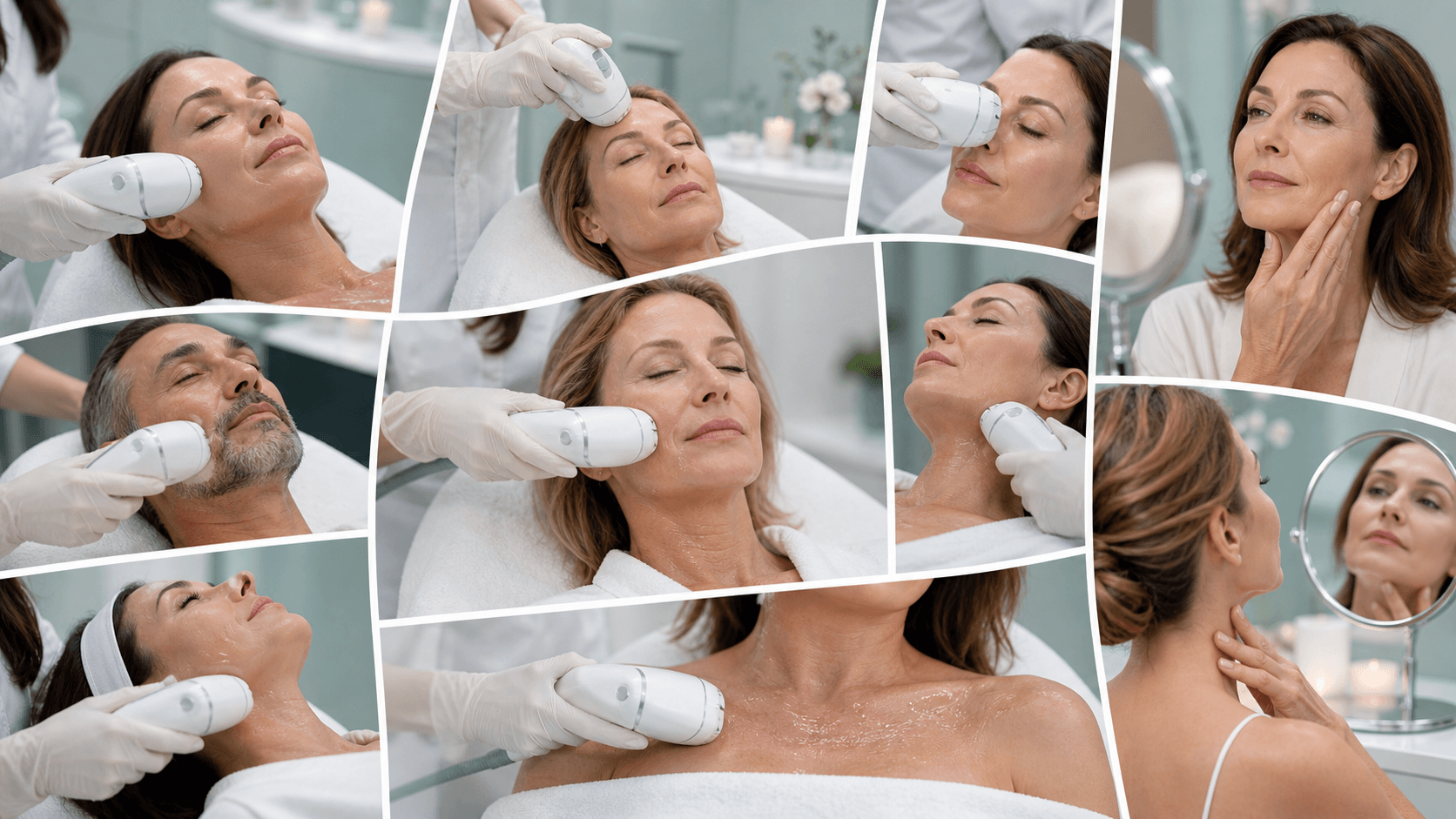
The face is where most people first notice the signs of ageing, and it is also where HIFU treatment delivers some of its most impressive results. Any area of the face affected by sagging, wrinkling or loss of definition can be addressed.
A complete facial treatment covers multiple zones in a single session. Ultrasound energy is applied across the forehead, cheeks, jawline and neck to achieve a balanced, overall lifting and tightening effect. Think of it as a comprehensive tune-up for the entire face. Results build gradually as new collagen forms, producing a rejuvenated, more defined facial contour that looks natural rather than drawn or exaggerated.
The horizontal lines across the forehead and the vertical creases between the eyebrows are among the earliest visible signs of ageing. HIFU works beneath the surface, just below these lines, triggering collagen renewal that leads to smoothing from within. The lines become less pronounced rather than completely erased, creating a far more natural appearance than freezing the muscles with injectables. The face still moves naturally. Expressions still register. The skin simply appears smoother and better supported.
As skin on the forehead and temples gradually loses elasticity, the eyebrows begin to drop. Even a shift of just a few millimetres can leave the entire eye area looking heavy and tired. When applied around the brow area, HIFU lifts the tissue above the eye, creating more openness and a brighter, well-rested appearance. It is a subtle change that makes a notable difference to the overall expression of the face.
The fine lines that fan out from the outer corners of the eyes are notoriously difficult to address without injectables. HIFU offers an alternative approach. The ultrasound energy is focused precisely at the right depth to stimulate collagen production without touching or affecting the delicate surface skin around the eyes. As new collagen develops beneath the skin, these lines gradually soften over the weeks following treatment.
Loss of volume and firmness in the cheeks is one of the most significant contributors to an aged appearance. As the cheeks deflate, deeper nasolabial folds develop, running from the nose to the corners of the mouth. HIFU treatment tightens the tissue within the cheek area, creating a midface lift that helps soften those folds. Without the use of fillers, it restores a more youthful cheek contour and improves the overall balance of the face.
A softened or blurred jawline is one of the most common aesthetic concerns, and one that can alter how the entire face is perceived. HIFU treatment along the jawline lifts and firms the skin and connective tissue beneath, restoring contour and helping to prevent the formation of early jowls. For many people, this is one of the most rewarding results, as a defined jawline immediately brings structure and clarity back to the lower face.
Submental fullness, the accumulation of fat and excess skin beneath the chin, is remarkably persistent. It does not always respond to diet and exercise, and it can affect people of all ages and body types. HIFU treatment addresses this concern in two ways. The ultrasound energy tightens the skin while also helping to disrupt fat cells in the area. The result is a slimmer, more contoured lower face and chin profile.
The neck is often one of the first areas to reveal signs of ageing, as the skin here is thinner and less supported than the skin on the face. Loose, crepey neck skin can undermine the results of any facial treatment. HIFU focuses on stimulating collagen production and tightening the platysma, the thin sheet of muscle that supports the neck. The outcome is a smoother, firmer neck that complements a refreshed face.
Sun damage and the natural ageing process affect the decolletage just as visibly as the face, yet this area is frequently overlooked in skincare routines. HIFU treatment for the upper chest addresses fine lines, crepiness and loss of firmness through targeted collagen stimulation. The result is smoother, firmer skin that restores a more youthful quality to this frequently exposed area.
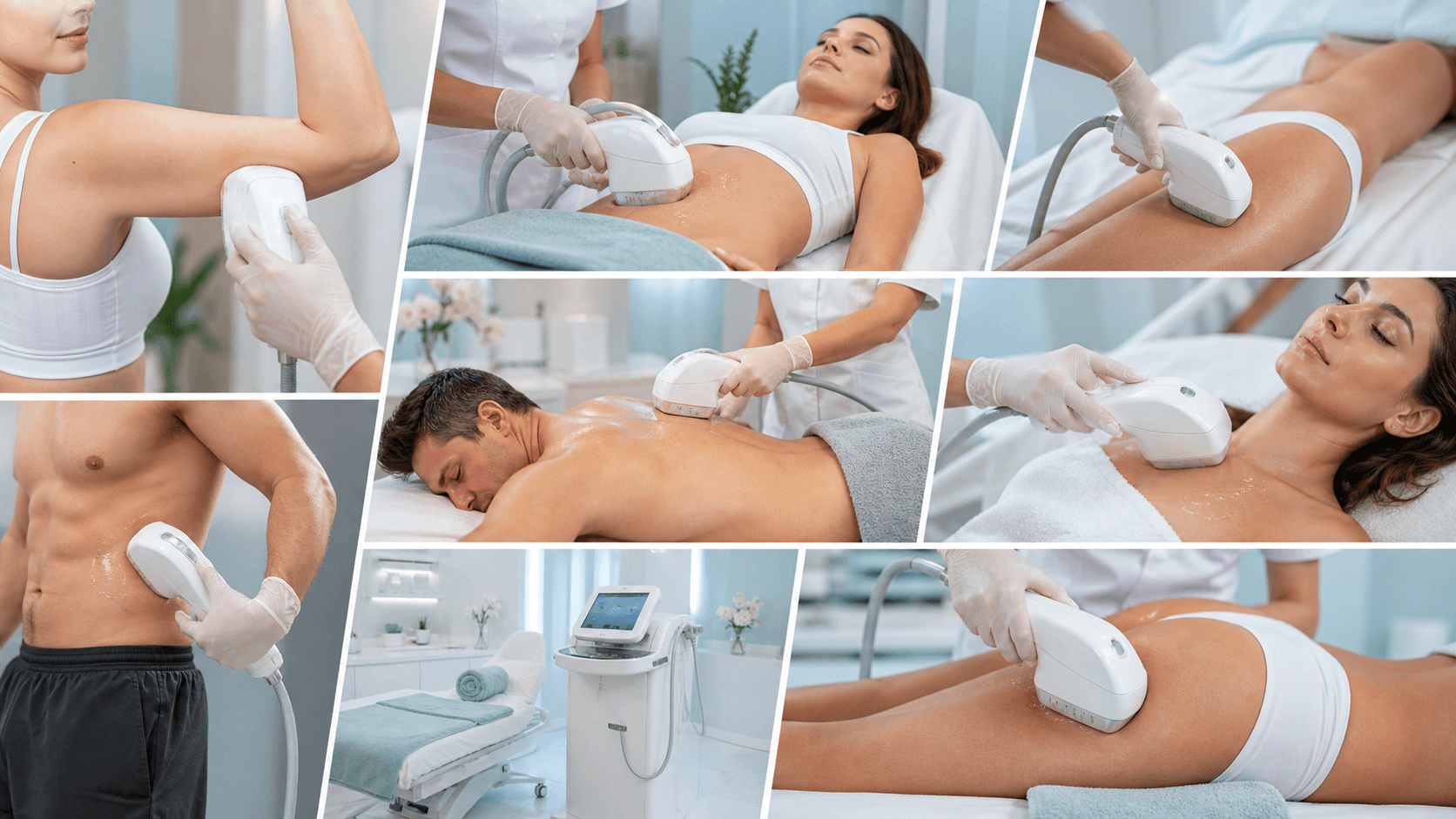
HIFU is not limited to the face. The same ultrasound technology can be applied to various areas of the body where skin laxity, stubborn fat or loss of firmness are a concern.
The backs of the upper arms are a common concern, particularly where skin has become loose and resistant to exercise. HIFU treatment firms the skin and restores suppleness, creating a tighter, smoother arm contour. For many people, this treatment brings back the confidence to wear sleeveless clothing comfortably.
The abdomen endures a great deal over a lifetime, from weight fluctuations to pregnancy to the natural ageing process. HIFU treatment for the stomach area tightens loose skin and can also target localised fat deposits. The ultrasound energy disrupts fat cells at specific depths, and the body then naturally processes and eliminates them over the following weeks. This combination of skin tightening and fat reduction makes the abdomen one of the most frequently treated body areas.
Loose skin and stubborn pockets of fat on the inner and outer thighs can be difficult to address through lifestyle changes alone. HIFU treatment tones the skin across the thighs while also targeting underlying adipose tissue, resulting in a smoother contour and improved skin quality throughout the treated area.
Fat that accumulates around the flanks and hips has a well-earned reputation for resisting diet and exercise. HIFU uses concentrated ultrasound energy to disrupt fat cells in these areas, allowing the body to process and eliminate them naturally. The accompanying skin-tightening effect ensures the treated area maintains a smooth, firm appearance even as fat is reduced.
Excess skin and fat across the back can create visible rolls beneath clothing. During HIFU treatment, the skin is stimulated to tighten while localised fat deposits are also addressed, helping to smooth the overall silhouette and reduce the prominence of back rolls.
As the body ages, the buttocks naturally lose firmness and definition. HIFU stimulates collagen production within the tissue of this area, helping to lift and firm for a more toned appearance without surgical intervention.
Beyond the facial decolletage treatment, HIFU can address the broader upper chest area. Targeted collagen stimulation helps to improve sun damage, age-related changes and skin laxity across the chest, restoring firmness and improving overall skin quality.
This is a sensitive subject, and one that deserves an honest, respectful conversation. Many women experience changes in vaginal tissues throughout life, whether due to childbirth, hormonal shifts or the natural ageing process. Physical comfort may change, and so may personal confidence. HIFU technology, delivered through a specially designed applicator, tightens and tones the vaginal tissues through collagen stimulation within the vaginal walls. It is a non-surgical, minimally invasive treatment that has helped many women restore comfort, sensitivity and confidence. The procedure is carried out with complete discretion and professionalism, with dignity and privacy as the highest priorities.
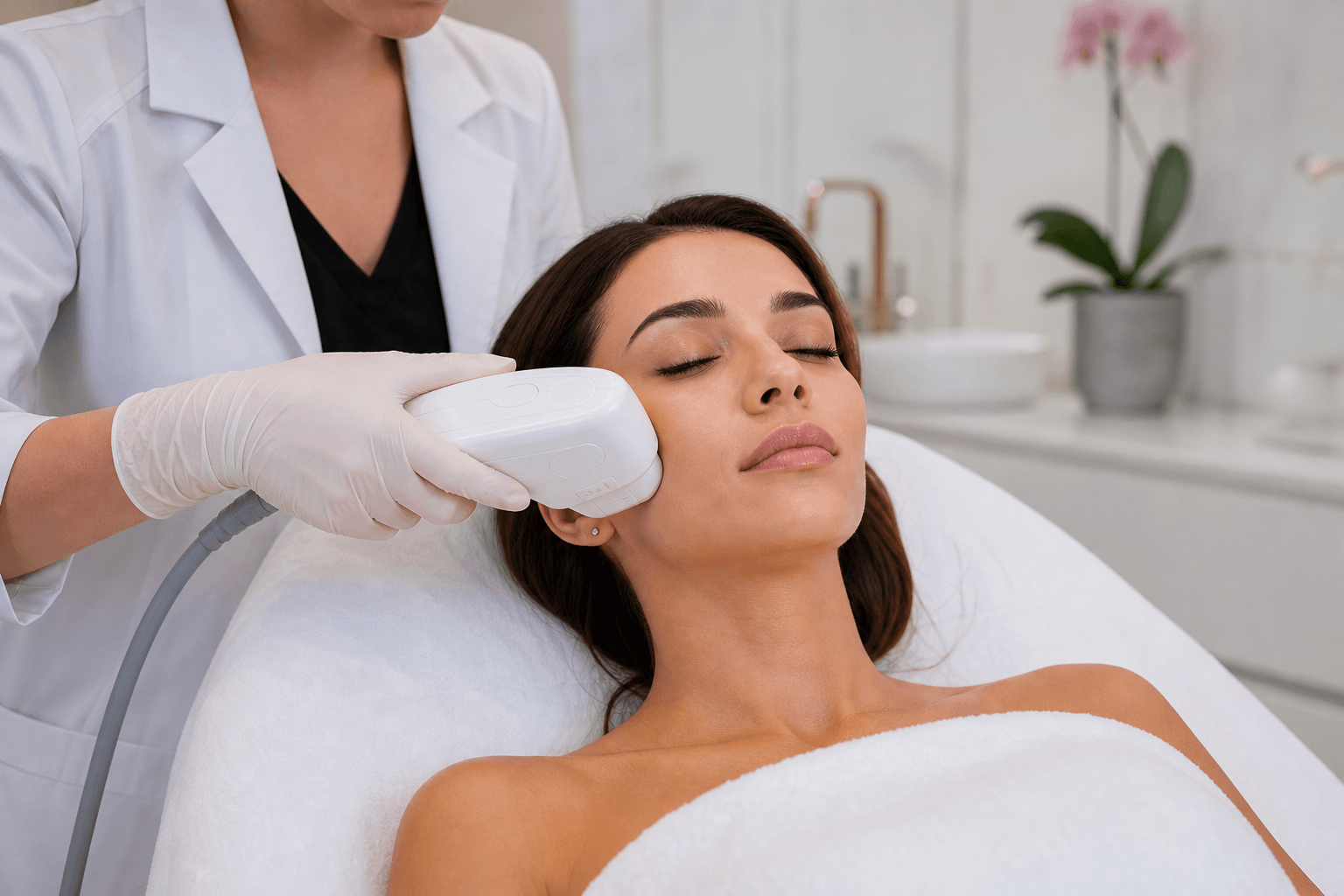
Very few cosmetic procedures offer the combination of meaningful results with genuine convenience and an established safety profile. HIFU achieves this balance remarkably well.
The treatment is completely non-invasive. Throughout the entire procedure, nothing pierces, cuts or punctures the skin. This removes the risks associated with surgery, including infection, scarring, adverse reactions to anaesthesia and extended recovery periods.
There is no downtime. It is entirely possible to have a HIFU session during a lunch break and return to normal activities immediately afterwards. No dressings are required. No compression garments. No restrictions on daily life. You can wash your face, apply makeup, exercise and carry on as normal.
Many people achieve their desired results from a single session. While some choose to have maintenance treatments or additional sessions, a great many manage to reach their goals in just one appointment. For context, radiofrequency skin tightening typically recommends six or more sessions for a full course of treatment.
Results develop naturally over time. In the weeks and months following treatment, the skin continues to become gradually firmer and tighter. This gradual improvement means that changes do not appear sudden or manufactured. Most people find that others simply comment on how well they look, without guessing that any procedure has taken place.
The effects are long-lasting, typically persisting for six to eighteen months depending on factors such as age, skin condition, lifestyle and genetics. When the effects do begin to soften, they do so gradually, and a maintenance session can be scheduled to refresh and extend the results.
HIFU is suitable for all skin types. Unlike certain laser treatments that carry risks for darker skin tones, HIFU uses ultrasound energy, which is entirely unaffected by skin colour or type.
Rather than introducing foreign substances into the body, the treatment stimulates the production of collagen that the body would naturally create. The collagen produced in response to treatment is the same type of collagen the body generates through its own biological processes. The result is genuinely healthier, stronger skin.
The versatility of the treatment is also notable. From forehead lines to stomach contouring and everything in between, HIFU can address a wide range of concerns. It can also complement previous surgical procedures, making it well suited for maintaining surgical results as they naturally soften over the years.
Treatment times are efficient. Area-specific sessions typically take between fifteen and thirty minutes, while a full face and neck treatment requires approximately sixty to ninety minutes. Side effects are mild and brief, usually limited to slight redness, gentle swelling or mild tingling that passes within a few hours.
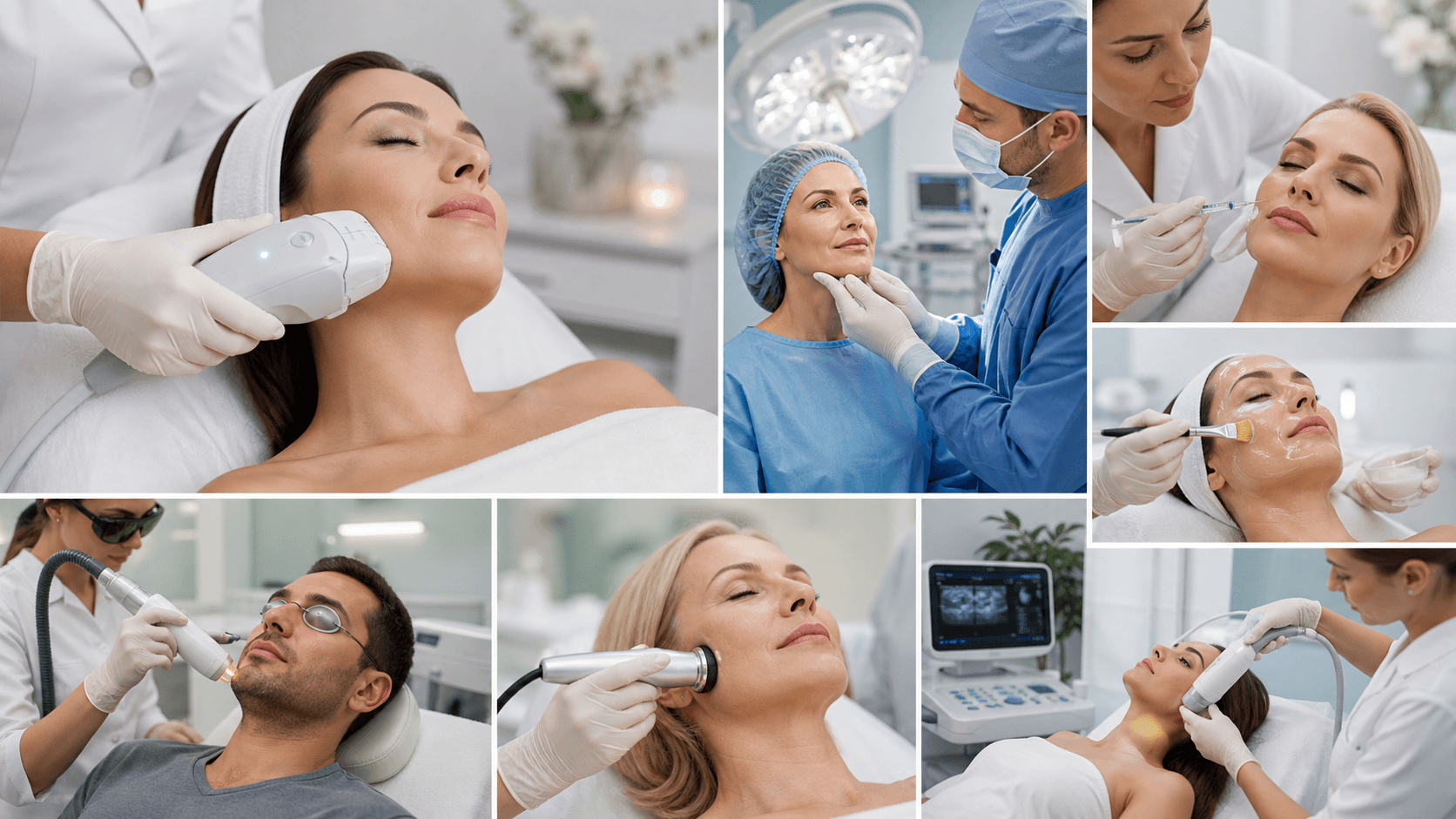
With a wide range of cosmetic treatments available, understanding how HIFU measures up against the alternatives helps in making a well-informed decision.
Surgery delivers the most dramatic results. A surgeon physically repositions tissue, removes excess skin and tightens the underlying layers. Results may last five to ten years or longer. However, surgery involves general anaesthesia, incisions, bruising that can last for weeks, and a recovery period of two to four weeks is typical. There are also inherent surgical risks including infection, nerve damage and scarring.
HIFU delivers a more subtle effect. It will not replicate the transformation of surgery. However, for those with moderate skin laxity, the results are substantial and noticeable, without incisions, anaesthesia, scarring or any recovery period.
Botulinum toxin works by temporarily relaxing the muscles responsible for dynamic wrinkles. It is effective for expression lines but does nothing for skin laxity. Dermal fillers add volume beneath the skin to plump areas that have deflated. Both require needles, both are temporary, lasting three to twelve months, and both require ongoing repeat treatments.
HIFU works differently from either approach. It neither paralyses muscles nor adds volume. Instead, it remodels collagen within the skin to achieve tightening and firming. For those whose primary concern is sagging or loss of definition rather than isolated wrinkles, HIFU is typically a better fit. It also works well alongside injectables for a more comprehensive approach.
Chemical peels resurface the outer layers of skin, improving texture, pigmentation and very superficial fine lines. They are purely a surface treatment. While they address cosmetic concerns at the skin's surface, they do not reach the deeper structural layers where laxity and sagging originate. HIFU targets those deeper layers specifically. The two treatments are complementary rather than competitive, and many people benefit from combining both to address surface texture and deep structure together.
Laser technologies cover a broad range. They are generally excellent for texture, tone, scarring and pigmentation, but they operate at the surface and upper dermis level. They do not reach the SMAS layer. In addition, more aggressive lasers often require downtime and can carry risks of post-inflammatory hyperpigmentation, particularly for darker skin tones.
HIFU penetrates deeper with a lower risk profile and no downtime. Where lifting and tightening are the primary goals, HIFU has a clear advantage. Where surface issues such as pigmentation and scarring are the concern, lasers are the stronger option. Many practitioners recommend combining both approaches for optimal overall results.
Radiofrequency works by heating the dermis to stimulate collagen. The principle is similar to HIFU, but it operates at more superficial levels. Radiofrequency treatments typically require four to six sessions to deliver meaningful results, and they do not reach the SMAS layer.
HIFU penetrates to deeper levels, is usually completed in a single session and produces more pronounced lifting effects. Radiofrequency may be preferable for those seeking very gentle, gradual improvement over multiple sessions.
Ultherapy is a branded version of HIFU technology. It uses the same fundamental mechanism of focused ultrasound energy. Ultherapy devices incorporate real-time imaging technology, which gives the practitioner a view of the layers being treated, allowing for greater precision. However, Ultherapy is offered at a smaller number of clinics and is less widely available.
Standard HIFU treatment provides effectively similar tightening and lifting results. For most people, the practical difference between the two is minimal, making standard HIFU the more accessible and convenient option.
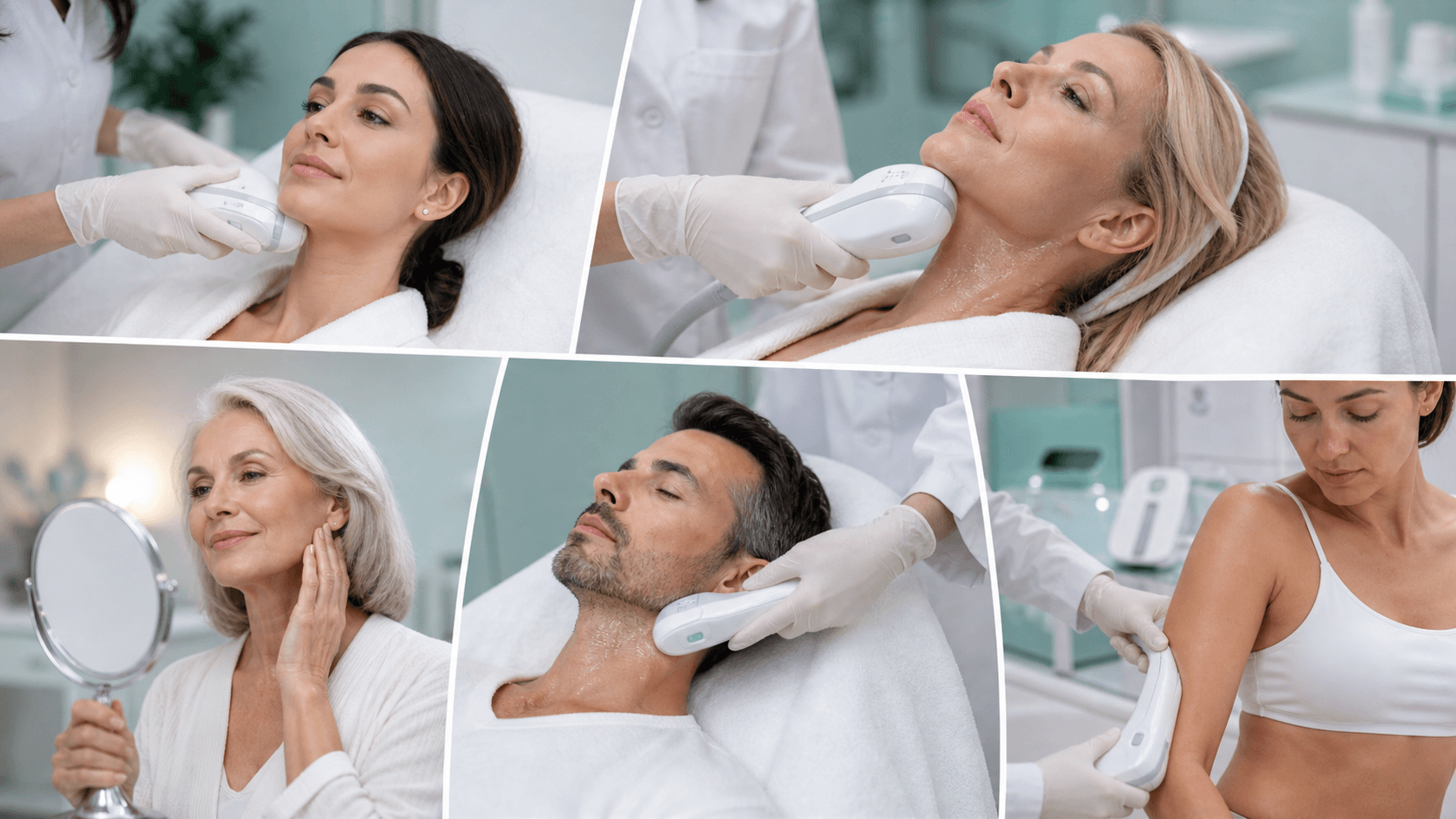
HIFU is not a one-size-fits-all solution, but the range of people who can benefit from it is remarkably wide. Different stages of life and different concerns respond to the treatment in their own way.
The earliest signs of ageing typically become visible around this time. Fine lines begin to form around the eyes, the skin starts to lose some of its natural bounce, and collagen production gradually declines year on year. At this stage, HIFU serves as both a corrective and preventative measure. It addresses early changes while stimulating collagen production that helps to slow down further ageing. A single session in the thirties can have long-lasting effects, with results persisting well beyond twelve months.
This is the age group that tends to experience the most visibly dramatic improvements from HIFU. Skin laxity is already well established by this stage. The jawline may have softened, the neck may have begun to lose its firmness, and wrinkles have become more entrenched. HIFU delivers genuine lifting and tightening in these areas, and the difference can be significant. People in this age range frequently report that others comment on how well they look, without ever guessing that a treatment has taken place.
Skin over sixty features greater laxity and deeper wrinkles. Expectations should be set accordingly, as the results will not match what can be achieved with younger skin. However, HIFU can still produce meaningful improvements. It will noticeably firm and tighten the skin, particularly around the jawline, neck and cheeks. The outcome is a refreshed, more defined appearance rather than a dramatic transformation.
There is growing demand for non-invasive facial rejuvenation among men, and HIFU is particularly appealing in this context. It delivers natural-looking results without visible treatment marks. No needle marks, no bruising, and no downtime that might prompt questions. HIFU is most commonly sought by men to firm the jawline, address a double chin, tighten the neck and smooth forehead lines.
If you have had a surgical facelift or body contouring in the past, those results will naturally soften over time. HIFU can help extend and revitalise those results by stimulating fresh collagen production, preserving your investment without the need for further surgery.
There is no need to wait until the signs of ageing become pronounced. Some people in their late twenties and early thirties choose HIFU as a proactive measure, stimulating collagen production and delaying visible signs of ageing before they fully establish themselves.
The majority of adults are suitable candidates for HIFU treatment, but there are some exceptions. Those with very severe skin laxity may find that a surgical option is more appropriate. The treatment should be avoided during pregnancy and breastfeeding, in the presence of active skin infections or open wounds in the treatment area, or where there are metallic implants within the treatment zone. Certain medical conditions may also preclude treatment. A thorough consultation ensures that HIFU is the right choice for individual circumstances.
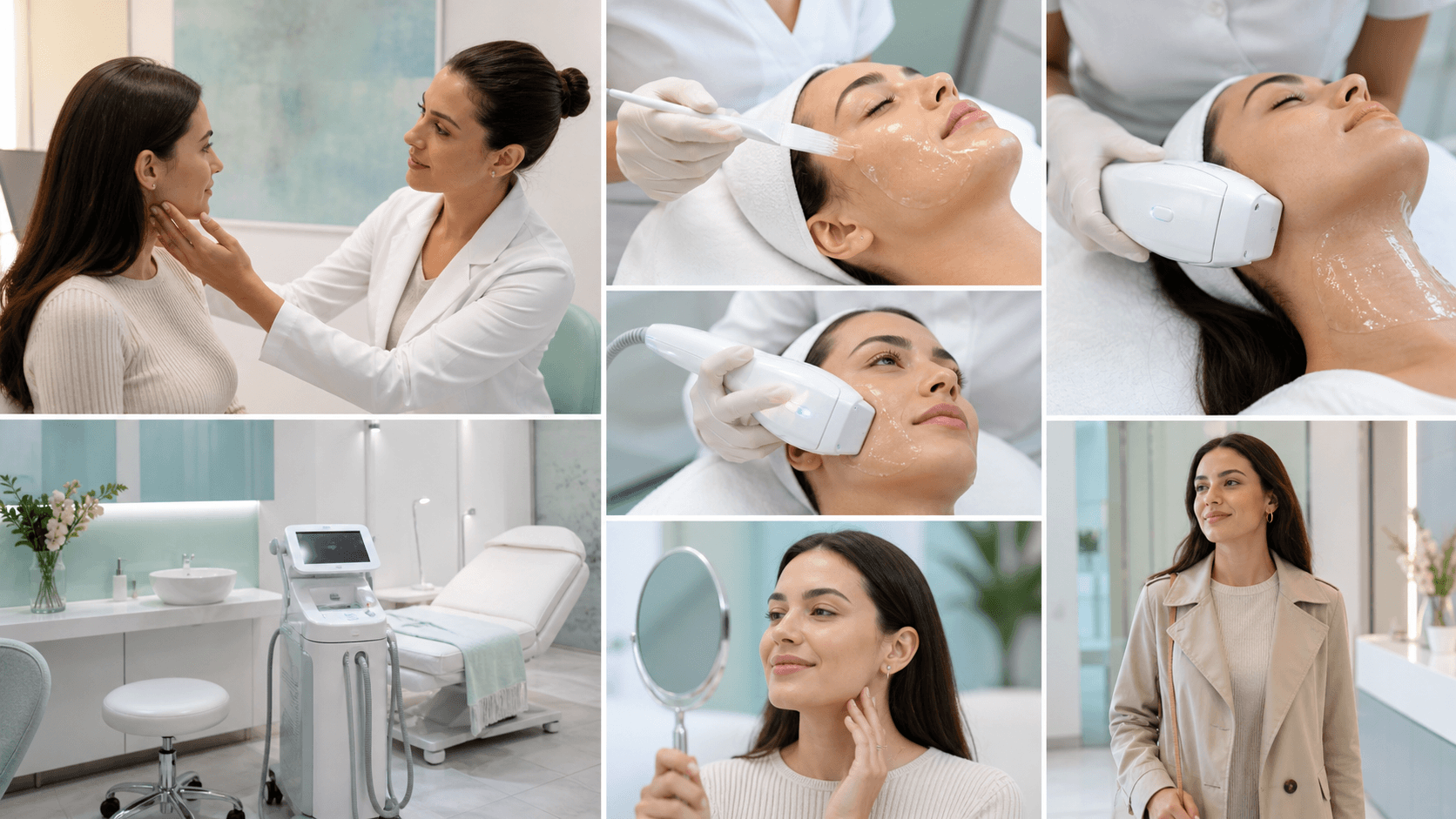
Knowing what happens during a treatment session removes any uncertainty and helps you feel completely at ease throughout the process.
Every HIFU treatment begins with a consultation. This is an opportunity to discuss concerns, ask questions and gain a realistic understanding of what the treatment can achieve. The practitioner examines the skin, discusses which areas will be treated and checks for any contraindications.
At the time of treatment, the skin is cleansed and a generous layer of ultrasound gel is applied to the area being treated. The gel ensures proper contact between the device and the skin and helps to transmit the ultrasound energy effectively.
The practitioner passes the HIFU device across the treatment area in a methodical, linear pattern, delivering focused ultrasound energy at precisely the right depth. Most people describe the sensation as a warm prickling or tingling. Some areas are more sensitive than others; the jawline and forehead tend to be felt more than the cheeks. The sensation is generally well tolerated and only occurs while energy is being delivered to each specific point.
Treatment duration varies depending on the area. A specific zone such as the chin or brow area may take around thirty minutes. A comprehensive full face and neck session typically takes sixty to ninety minutes.
Normal life resumes immediately. Some people may experience mild redness, slight swelling or a gentle tingling sensation. These effects are temporary and typically pass within a few hours. Makeup can be applied straight away, and there are no restrictions on washing the face, exercising or going about daily activities. Beyond standard sun protection, there are no specific aftercare requirements.
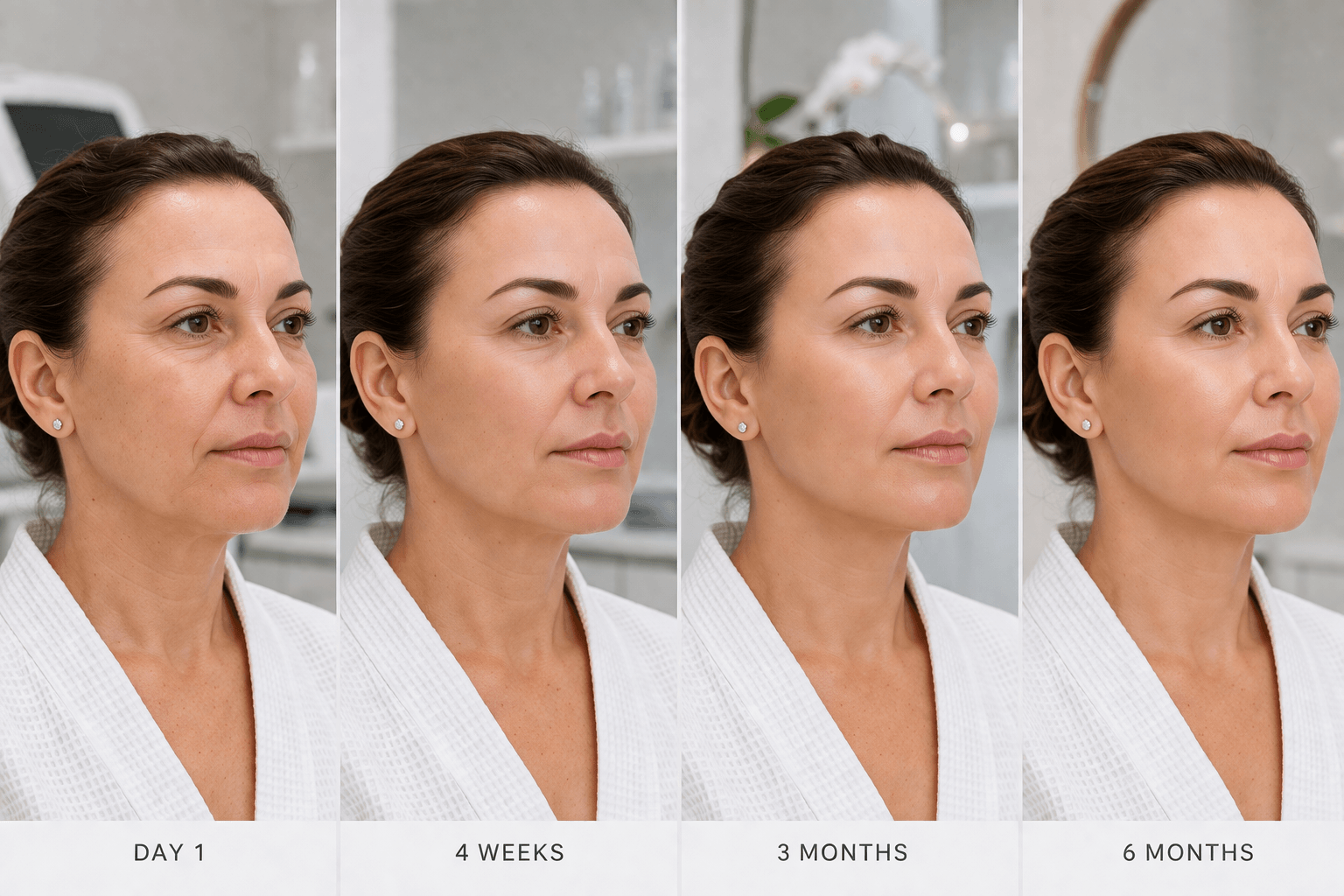
HIFU results appear differently from procedures that produce instantly visible changes. Understanding the timeline helps to set expectations appropriately and appreciate the process as it unfolds.
On the day of treatment, there may be a subtle sign of tightening. The ultrasound energy contracts existing collagen, producing a gentle firming effect that some people notice straight away. However, this initial improvement is only the beginning.
The real transformation occurs over the weeks and months that follow as the body manufactures new collagen. Most people begin to notice meaningful changes within three to four weeks. The skin appears firmer, lines soften and contours become more defined. These improvements continue to develop progressively for up to six months after treatment.
Results typically peak between two and three months post-treatment. At this stage, collagen remodelling is at its most active and the cumulative effects are at their most visible.
The effects of a single session generally last between six and eighteen months. Individual factors such as age, genetics, skin condition and lifestyle all influence how long results persist. The improvements do not disappear suddenly but fade very gradually over time. A maintenance session can be scheduled when needed, and many people find that an annual treatment keeps their skin looking firm and refreshed.
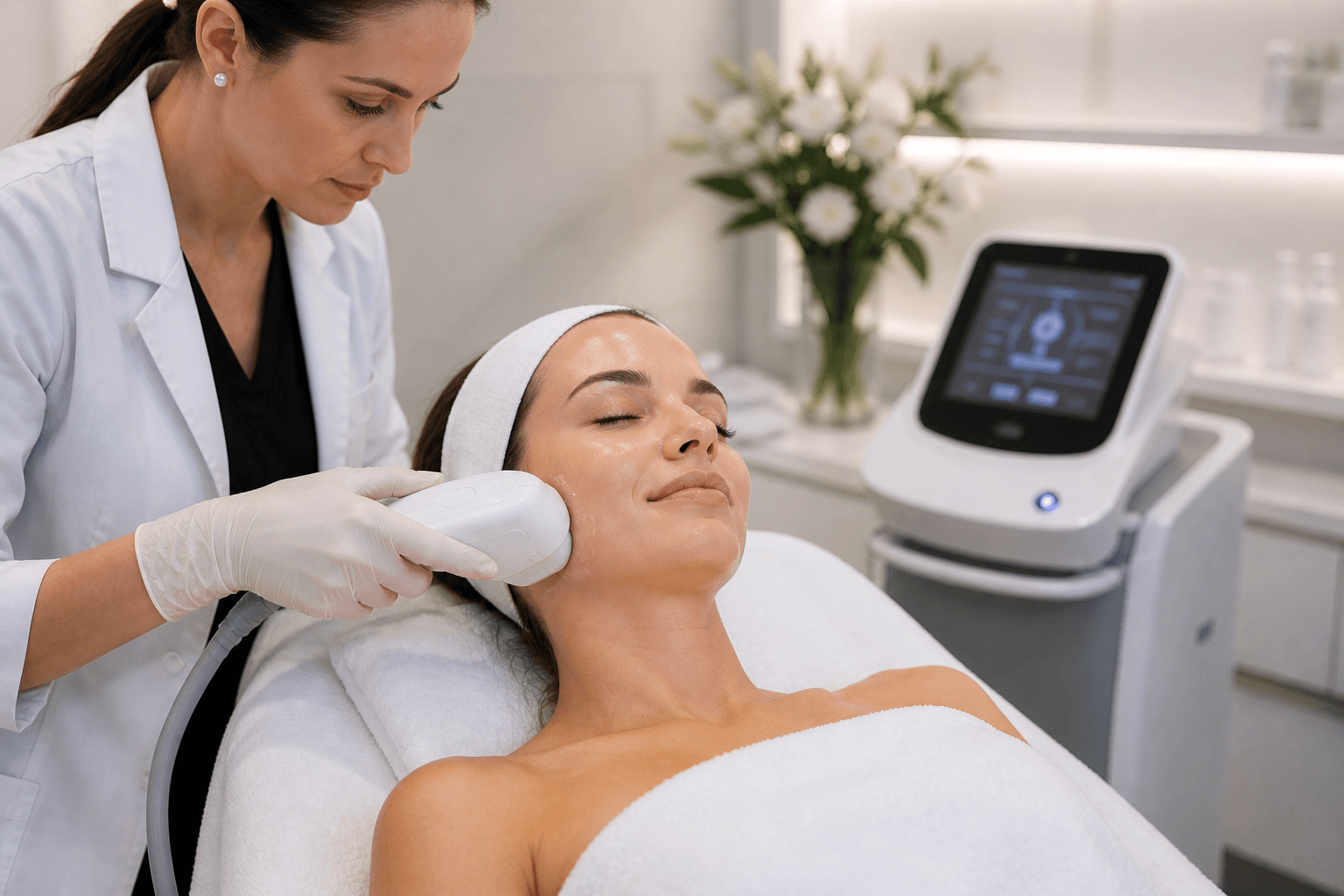
Safety is a paramount concern for anyone considering a cosmetic procedure. The safety profile of HIFU treatment is well established, supported by extensive clinical research and regulatory approvals worldwide.
Ultrasound technology has been used in medicine for decades and is recognised as one of the safest imaging and therapeutic modalities available. HIFU applies the same fundamental physics at a higher intensity and tighter focus, and the technology has received regulatory clearance for non-invasive lifting of the skin on the face, neck and upper chest.
Because HIFU is completely non-invasive, the majority of surgical risks simply do not apply. There is no risk of incision-related infection, no complications from anaesthesia, and no visible scarring. The skin is never broken at any point during the procedure.
Side effects are mild and short-lived. Some people experience gentle swelling, mild redness or a tingling sensation in the treatment area, all of which typically subside within a few hours. On rare occasions, minor bruising or tenderness may persist for a day or two.
It is important to recognise that the safety of any cosmetic procedure depends significantly on the practitioner performing it. HIFU treatment should only be carried out by trained professionals with a thorough understanding of facial and body anatomy and the ability to assess each individual appropriately.
There is no form of radiation associated with HIFU. The energy used is mechanical rather than electromagnetic, and when performed correctly, there are no known long-term adverse effects.
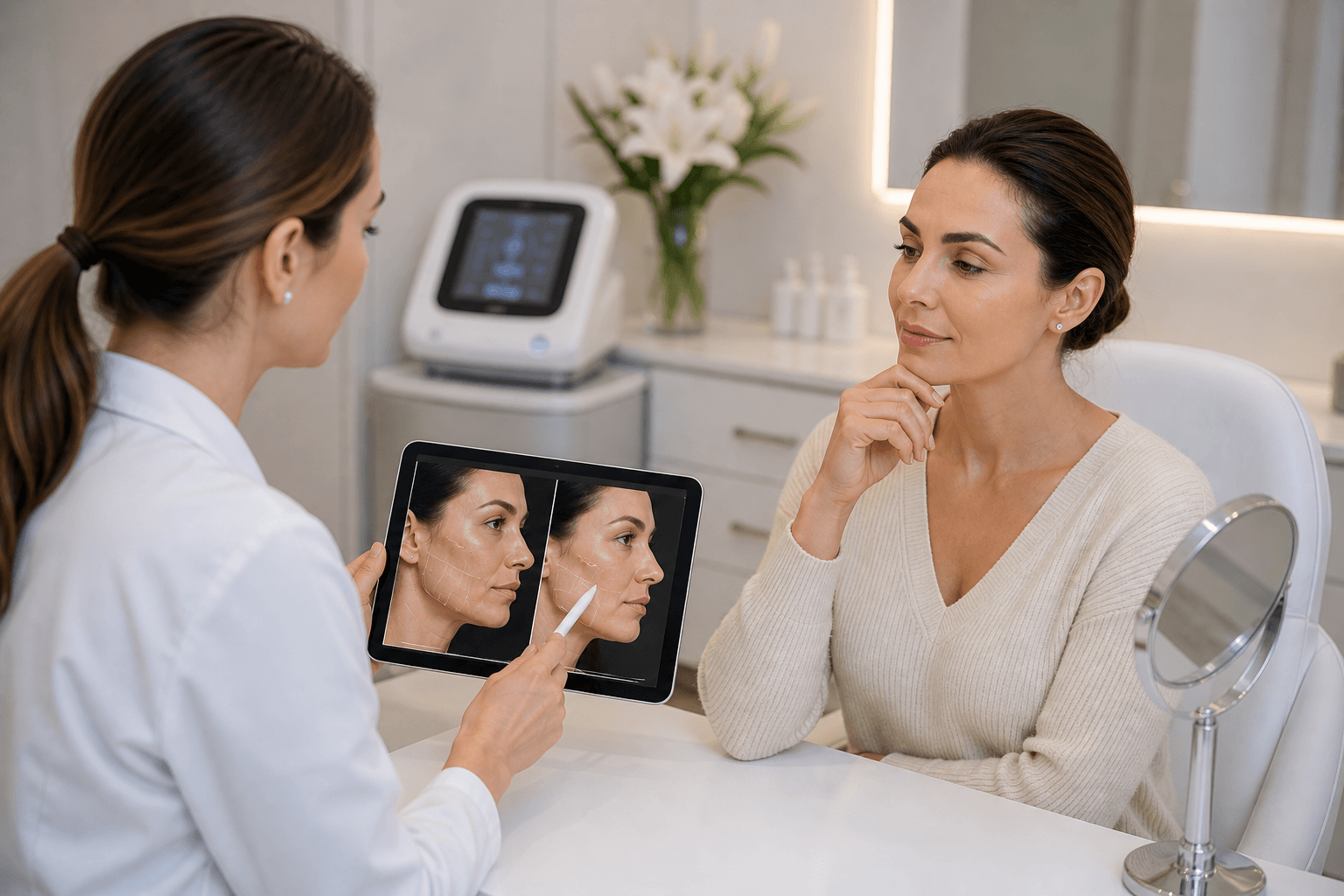
Taking care of your skin is not vanity. It is self-care. The way our skin looks and feels can affect confidence, mood and how we carry ourselves through daily life. It is natural to want to look as good as you can at any age.
HIFU treatment represents a genuine advancement in non-surgical aesthetics. It reaches the deeper skin structures that no other non-invasive treatment can access. Rather than introducing foreign materials, it stimulates the body's own collagen production. There are no incisions, no needles, no anaesthesia, and no downtime. The results it produces look natural because they are the product of the body's own biology.
Whether you are in your thirties and beginning to think about prevention, or at a later stage of life and looking to restore some definition to the jawline and neck, or simply curious about what non-invasive treatments can realistically achieve, HIFU treatment is well worth considering.
The information on this page provides a solid foundation. You now understand how the technology works, which areas it can treat, how it compares with the alternatives, and what kind of results to expect. That puts you in a strong position to take the next step, whatever that may be. And when it comes to your skin, an informed decision is always a good one.